AI influencer avatars: campaigns without a shoot, with consent
What if the creator didn't have to be there to record? With their permission, AI is starting to generate campaigns from their likeness. Here's the near future of influencer marketing.
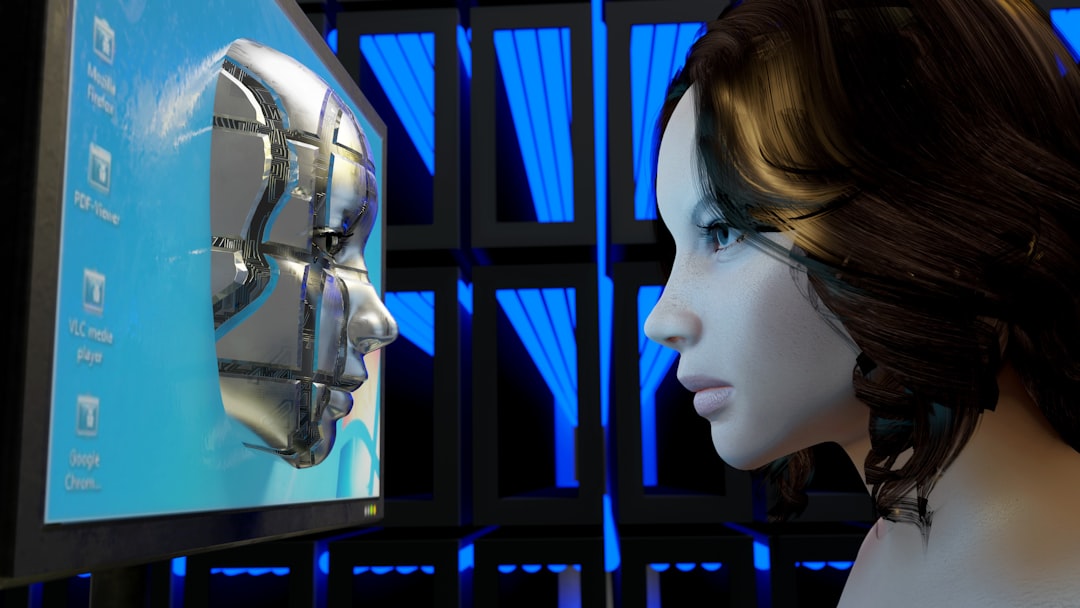
A brand wants twelve versions of the same video, in six languages, to launch next week. The creator you work with has two free days all month. Until recently, that campaign simply didn't happen. Today another path is emerging: an AI-generated avatar of the creator that, with their consent, records all of it without ever stepping on a set.
This isn't science fiction, nor a replacement for talent. It's a new production layer that changes what an agency can promise and how a creator is protected. It's worth understanding before it lands in your next brief.
What's already happening
Digital avatar and voice-cloning tools have taken a huge leap. Generating a realistic video of a person speaking, from a few minutes of footage, is now accessible and cheap. In parallel, some creators are starting to license their likeness for specific uses, much like an actor licenses their rights.
The implication for influencer marketing is direct: part of the content will be producible without a shoot. Not all of it — far from it — but the repetitive, the localized, and what today gets dropped for lack of availability.
How an AI influencer avatar works
The flow, simplified, looks like this:
- The creator provides base material (video and voice) under agreed terms.
- An avatar is trained to reproduce their look, gestures and tone of voice.
- From a script, new pieces are generated: different languages, formats or A/B variants.
- The creator (or their manager) reviews and approves each output before it ships.
The key is that the avatar doesn't improvise: it executes a brief. There's still creative direction, a script and human approval.
Consent is everything
This is the whole point. An avatar of a creator without their explicit permission isn't innovation — it's a deepfake. The line is drawn by informed, scoped consent:
- Explicit opt-in, never by default.
- Defined scope: which brands, what kind of messages, what duration.
- Right to revoke and per-campaign approval.
- The creator's likeness still belongs to them: the agency manages it, it doesn't own it.
Without a clear record of what was consented to, for what, and for how long, no agency should touch this technology.
What the agency (and the creator) gains
Done right, the value split is real:
- Scale: localizing a campaign into several languages or generating variants stops depending on availability.
- Speed: from script to asset in hours, not weeks.
- Monetization for the creator: they earn from their likeness without spending shoot time.
- Less operational friction: no juggling travel, sets and availability.
It doesn't replace the authentic content that connects with an audience; it complements it in the cases where today there are simply no hands available.
Risks, limits and the legal frame
This is sensitive territory and should be treated as such:
- Transparency with the audience: generated content should be flagged as such.
- Biometric data: in the EU, likeness and voice are sensitive personal data. GDPR and the AI Act set clear obligations.
- Trust: overusing avatars erodes the very thing that makes a creator valuable — that people believe them.
- Contracts: licenses, expiry and prohibited uses must be in writing.
The limit isn't technical, it's judgment. The technology will allow more than it will be wise to do.
How we see it at Influgest
Our bet is that this gets managed from where the creator relationship already lives: the roster. Each profile should store which likeness rights have been licensed, with what scope and until when, and every campaign should leave a trace of the approval. AI will generate the content; the platform has to guarantee it was done with permission and in a traceable way.
The future of influencer marketing isn't doing without the creator. It's giving them the control to decide when their likeness is enough and when their presence is needed. That decision — with consent and transparency — is what we want to put in their hands.
Carlos is a digital strategy consultant with experience across 50+ international brands. He publishes weekly industry analysis.