ROI in influencer campaigns: trends for 2026
Influencer marketing keeps growing, but the rules of the game are changing. Which platforms and formats will dominate.
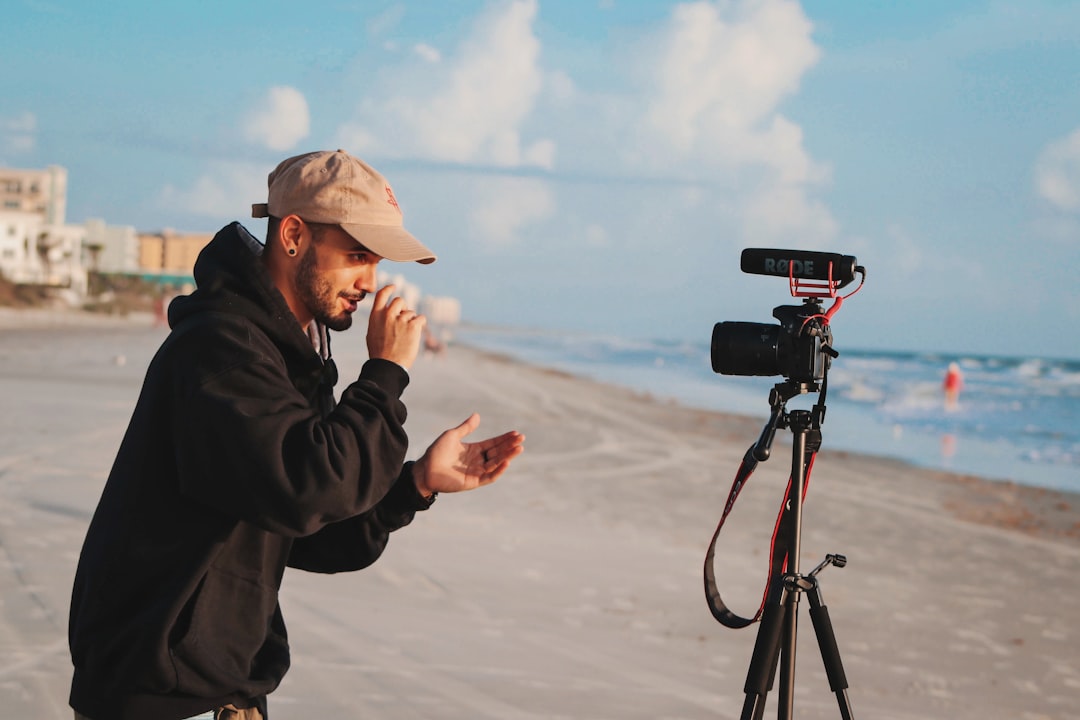
Influencer marketing has stopped being an experimental bet and become a stable line in any serious brand's budget. But 2026 arrives with an uncomfortable twist: money is plentiful and the pressure to prove returns is just as high. The agencies that survive won't be the ones chasing the most reach, but the ones that can turn that reach into attributable sales.
In this analysis we map where the real ROI lives this year, which formats actually perform, and how rigorous measurement, not gut feeling, separates a profitable campaign from a pretty number in a slide deck.
State of the market in 2026
Global spend on influencer marketing now exceeds $35 billion, with year-over-year growth near 18%. The deeper shift isn't volume, it's buyer maturity: marketing directors now demand attribution, not screenshots.
- 62% of European brands say ROI is their main contract-renewal criterion.
- Short-form video CPM rose 23%, squeezing margins.
- Performance-based deals (CPA, CPS) are growing faster than flat-fee ones.
"Reach is no longer what gets paid for. Results are." This line, repeated at every negotiating table, captures the moment.
In this context, agencies that centralize roster, campaigns and analytics in a single platform like Influgest cut reporting time from days to minutes and defend every euro invested far more convincingly.
Which platforms lead in ROI
TikTok and Reels still dominate discovery, but ROI per euro has shifted toward formats with purchase intent. Long-form YouTube and creator newsletters outperform the average because they reach more qualified, durable audiences.
- TikTok: unbeatable for awareness, average ROI on direct conversion.
- Instagram (Reels + linked Stories): the best reach-to-conversion balance.
- Long-form YouTube: the silent champion of long-term value.
- Creator newsletters and podcasts: niche, but with conversion rates up to 3x higher.
The practical takeaway: there is no "best platform," only the best mix per objective. With Influgest's analytics dashboard, agencies compare real performance by channel and reallocate budget without waiting for the month-end close.
The rise of micro and nano creators
Concentrating spend on big names is losing steam. Micro (10k–100k followers) and nano (under 10k) creators deliver 2x to 5x higher engagement at a notably lower acquisition cost. Trust doesn't scale with follower count, it scales with closeness.
The operational challenge is fragmentation: managing 40 nano creators takes more coordination than closing one star. This is exactly where workflows collapse into spreadsheets.
- Higher perceived authenticity and lower ad fatigue.
- Cheaper contracts, ideal for testing creatives.
- A critical need to automate contracts, briefings and payments.
Influgest is built precisely for this many-small-contracts scenario: centralized roster, GDPR-first payments and repeatable flows that make working with dozens of creators at once genuinely profitable.
AI in influencer selection
Picking creators by instinct is over. In 2026, AI filters out fake audiences, predicts brand affinity and estimates expected ROI before a contract is signed. An estimated 70%+ of agencies will use some AI layer in discovery this year.
- Detection of bought followers and artificial engagement.
- Semantic matching between brand values and creator content.
- Predictive conversion models based on historical campaigns.
The risk isn't that AI picks badly, it's trusting it without clean data behind it.
That's why discovery only works when grounded in reliable history. Influgest pairs AI-assisted discovery with real campaign data from your own roster, avoiding generic recommendations that ignore what you already know works.
Predictions for the rest of the year
We expect a second half of 2026 defined by professionalization. European advertising-transparency regulation will tighten, and measurement will stop being optional.
- Multi-channel attribution as the standard, not a luxury.
- Growth of pay-for-results models over flat fees.
- Consolidation of all-in-one platforms over scattered tools.
- GDPR compliance shifting from obstacle to commercial argument.
In short: ROI in 2026 won't be won with more creators or more reach, but with better operations, clean data and honest attribution. Agencies that centralize roster, campaigns, analytics and payments, as Influgest enables, will reach 2027 with healthy margins and clients who renew. The rest will still be explaining screenshots.
Carlos is a digital strategy consultant with experience across 50+ international brands. He publishes weekly industry analysis.